
Welcome to Peak Roofing, where we reach new heights in providing top-quality roofing solutions. With our expertise and commitment to excellence, we ensure that your roof stands strong, protecting your home or business for years to come.
Welcome to Peak Roofing, where we reach new heights in providing top-quality roofing solutions. With our expertise and commitment to excellence, we ensure that your roof stands strong, protecting your home or business for years to come.


Homeowners across Providence, Cranston, Warwick, East Greenwich, North Kingstown, and Newport are experiencing significant snowfall this winter. In Massachusetts, areas including Boston, Quincy, Worcester, Springfield, Newton, and Framingham have experienced back-to-back storms followed by prolonged freezing temperatures.
The result?
Snow loads sitting on residential roofs for weeks, followed by daytime melting and nighttime refreezing. This freeze-thaw cycle is the perfect recipe for severe ice dam formation.
With multiple nor’easters already impacting Southern New England in early 2026, ice dam removal services are in high demand across both states.
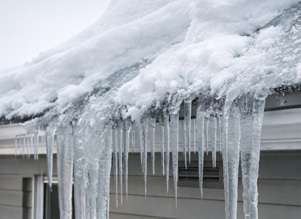
An ice dam forms when:
That trapped water backs up under shingles and penetrates:
This is especially common in older New England homes throughout Pawtucket, Attleboro, Brockton, Fall River, and Taunton, where insulation and ventilation systems may not meet modern standards.
This winter has produced:
When snow sits on a roof for extended periods in Providence County, Kent County, Middlesex County, and Suffolk County, daytime solar warmth melts the upper layers. Overnight cold snaps refreeze that meltwater at the eaves.
Each cycle thickens the ice barrier.
By February, many homes have 6–12 inches of solid ice buildup along roof edges.
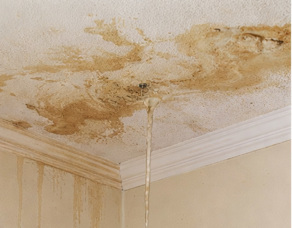 Water trapped behind ice dams pushes beneath shingles and into the roof system.
Warning signs:
By the time stains appear, moisture intrusion has already occurred.
In towns like Narragansett, Bristol, Waltham, and Cambridge, many homes feature aluminum fascia and gutter systems that cannot withstand prolonged ice pressure.
Heavy ice can:
Ice trapped between the fascia and the roof deck is one of the most destructive — and overlooked — forms of damage.
Repeated ice dam events can lead to:
Older colonials and capes common throughout Southern New England are especially vulnerable.
If you live in Rhode Island or Massachusetts and notice:
You likely have active ice dam formation.
Waiting increases the cost of repairs.
Climbing an icy roof with a shovel or hammer is dangerous and often causes:
Professional removal includes:
Long-term solutions include:
But during active winter storms, prompt snow removal and ice mitigation are critical.
The 2026 winter storm season is already proving to be one of the most aggressive in recent years.
If you live in:
Providence
Cranston
Warwick
East Greenwich
North Kingstown
Boston
Worcester
Quincy
Framingham
Springfield
and you see ice building at your roofline, take action immediately.
Ice dams are not cosmetic issues.
They are active water intrusion events.